
How to measure stretch-film use per pallet
Build a useful wrapping comparison by recording film consumed, acceptable pallets, rework and machine settings alongside the roll specification.
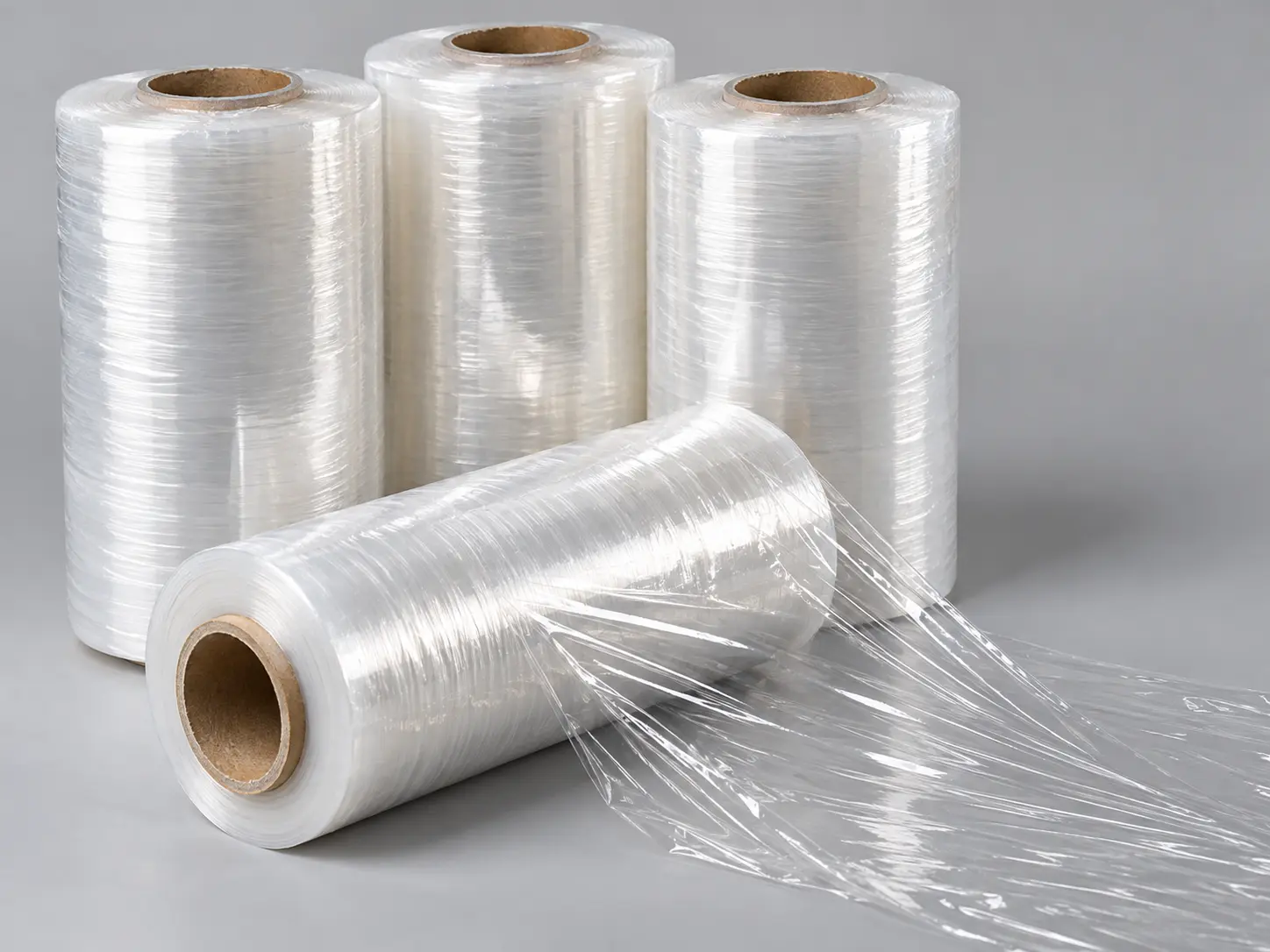
Choose the question before comparing rolls
When reviewing pallet wrap, decide what your comparison needs to answer. You might want to understand film consumption, check a different roll format or assess a sample on an existing wrapper. Give each question its own result instead of using the purchase price of a roll as the whole assessment.
Start with one representative load type. Record its dimensions, packed weight, carton arrangement and wrapping method. Keep unusual loads separate so the final average does not hide differences between jobs. Agree who will assess the finished pallets and what counts as an acceptable result before starting.
Write down the full specification
Capture the film code, width, thickness, stated length, colour and core details. For machine wrapping, add the wrapper model and the settings used during the comparison. Ask your supplier to confirm any missing specification instead of inferring it from a similar product code.
ANYTAPE lists hand, machine and bundle stretch-film formats. Its machine-film page asks buyers to match the proposed film to their equipment and load requirements. Use the listed specification as the starting point for an enquiry, then assess the proposed grade on your own setup.
Measure consumption over a defined batch
Choose a batch of comparable pallets and note the start and finish of the run. One practical recording method is to weigh the same roll before and after the batch, using suitable weighing equipment and a consistent procedure. Keep the core and any other weighed components consistent between measurements.
Subtract the finishing weight from the starting weight to obtain the material removed during the run. Record discarded film and film used for rewrapping separately where practical, while keeping them within total consumption. Note partial pallets at the batch boundaries so the count matches the material measured.
Show the calculation and its limits
Divide total film consumed by the number of completed pallets that meet your agreed acceptance criteria. For example, a hypothetical batch using 4.8 kg of film to complete 24 acceptable pallets averages 0.20 kg, or 200 g, per pallet. These figures illustrate the arithmetic; they are not an ANYTAPE performance result or target.
Record rejected pallets, rewrapping and interruptions beside that average. If every pallet is rejected, report the failed trial rather than calculating consumption per acceptable pallet. Do not compare batches with different load types or settings without clearly recording those differences.
Keep the quality decision visible
Use a simple trial sheet with columns for film code, load type, settings, film consumed, acceptable pallet count and observations. Record the inspection points agreed by your packing and dispatch team. A lower consumption figure alone should not decide whether a proposed film is suitable.
If you also measure pallets per roll, distinguish a completed full-roll run from an estimate based on a partial roll. Label estimates clearly. Repeat the comparison on representative work before using the result as a purchasing assumption, and retain the settings and observations with the calculation.
Turn the record into a useful enquiry
Send ANYTAPE your existing film specification, wrapper model, typical load and trial record, along with expected usage and delivery postcode. Ask which sample or listed format should be assessed next. Confirm current availability, packing and delivery timing with the quote.
Explore the stretch-film range through the product link below. Product information checked on 25 October 2026: https://anytape.com.au/stretch-film/ . The measurement worksheet above is a suggested recording method, not a load-restraint certification or a guarantee of suitability.