
Compare produce-band packs by weight and piece count
A practical way to compare band pack quantities, estimated counts and purchasing units without assuming that bag weight tells the whole story.
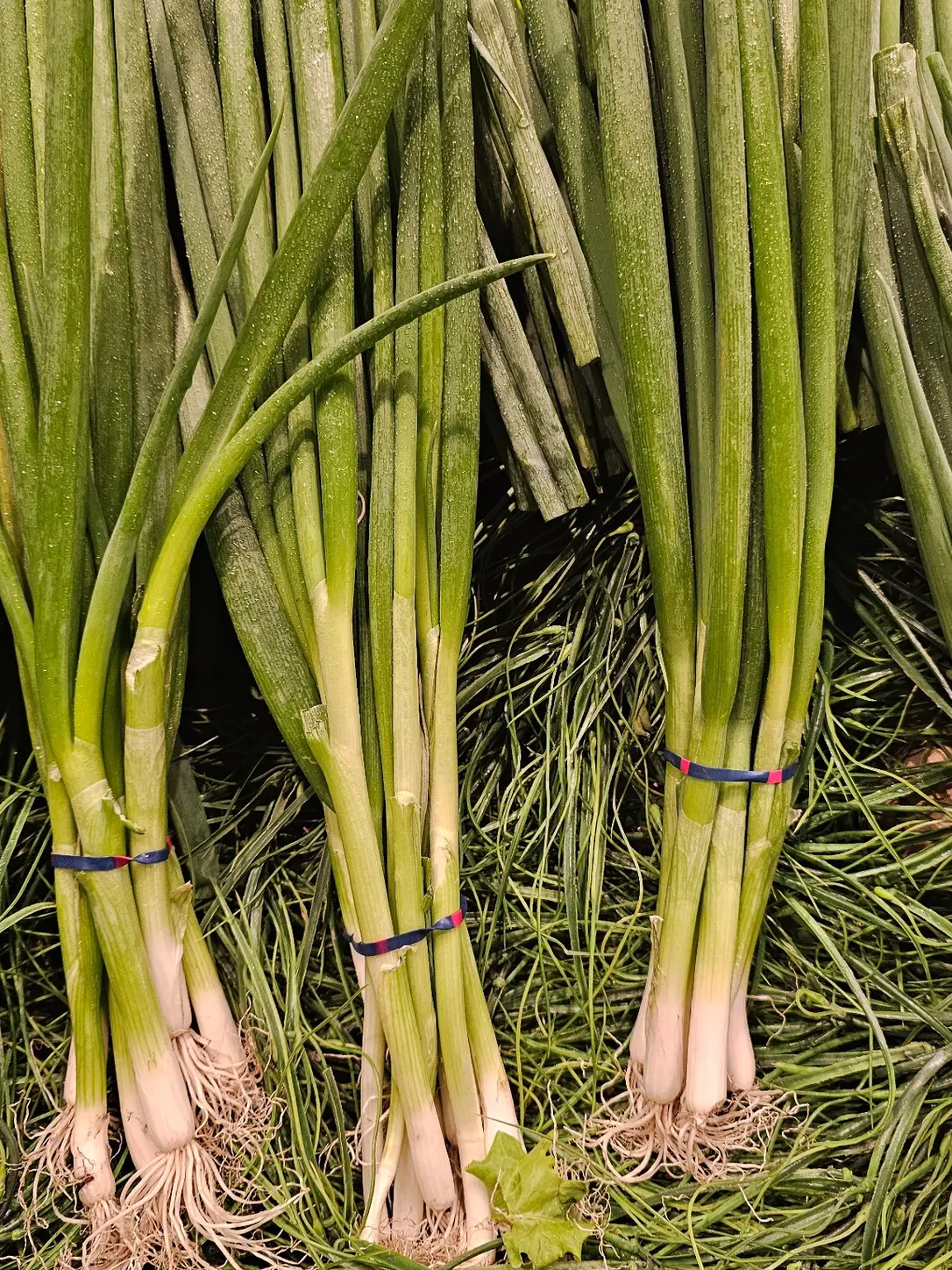
Start with the quantity your packing team uses
When comparing produce-band offers, write down whether each price covers a bag, a kilogram, a carton or a stated number of bands. Then decide which unit will help your team plan its work. A bag weight and a piece count answer different questions, so keep both visible where they are available.
Begin with a band specification already assessed for your crop and bunch size. Record its reference, dimensions and colour beside the pack information. Keep different specifications on separate lines rather than combining them into one average. This comparison is about purchasing quantities; it does not establish whether a band fits your produce.
Clarify what the stated weight includes
Ask whether the quoted weight is the net band contents or includes the bag and other packaging. Record the answer beside the quote. If you weigh a sample yourself, use suitable equipment and account for the empty container so the result describes the bands being counted.
Confirm bags per carton and the ordering unit before comparing totals. For example, a hypothetical carton containing ten bags of 400 g net band contents represents 4 kg of bands. The carton itself is additional packaging. Those figures illustrate a conversion, not an ANYTAPE pack format or available product.
Keep stated counts and estimates separate
Ask the supplier whether a piece count is specified, approximate or unavailable. If it is approximate, request its basis and any stated variation. Do not turn a supplier estimate into a guaranteed quantity in your own purchasing record.
Where a working estimate would help, count and weigh a sample of the same band specification. Record the sample size, net weight, date and method. Repeat the check on other samples if needed for your planning, and retain the individual results. Describe the result as your sample estimate unless the supplier has confirmed a different basis.
Show the arithmetic and the assumptions
Suppose, purely as an illustration, 100 bands weigh 20 g. That sample averages 0.2 g per band. Dividing a hypothetical 400 g net pack by 0.2 g gives an estimated 2,000 bands. This assumes the sampled bands represent the pack and does not establish a guaranteed count.
Use the same approach to compare purchasing units: divide the quoted bag price by a confirmed or clearly labelled estimated count to obtain a price per band. Keep currency, tax treatment, freight and any print or setup charges consistent. Leave the comparison incomplete if the quantity basis is unknown rather than filling the gap with an assumed count.
Connect the comparison to actual packing
Record how many bands your team uses for each finished bunch or pack. If the process uses more than one, show that separately. Also record discarded or reapplied bands during your own assessment so the purchasing comparison does not hide observed consumption.
Do not treat a lower calculated price per band as a complete product decision. Keep the fit assessment and handling observations alongside the quantity calculation. Ask your packing team to confirm which specification it intends to use before translating forecast bunch volumes into an order.
Send one clear comparison request
Include the band reference, dimensions, colour, preferred pack unit, expected order quantity and delivery postcode. Ask for net contents, count basis, carton packing and the applicable price unit to be stated together.
Use the Eco-Bands product link below when preparing your enquiry. Confirm the specification, current pack options, availability and timing directly before ordering, and save the agreed quantity basis with the quote for future repeat orders.